Mission Critical
Designing control rooms that scale with your operations
2026-02-188 min read
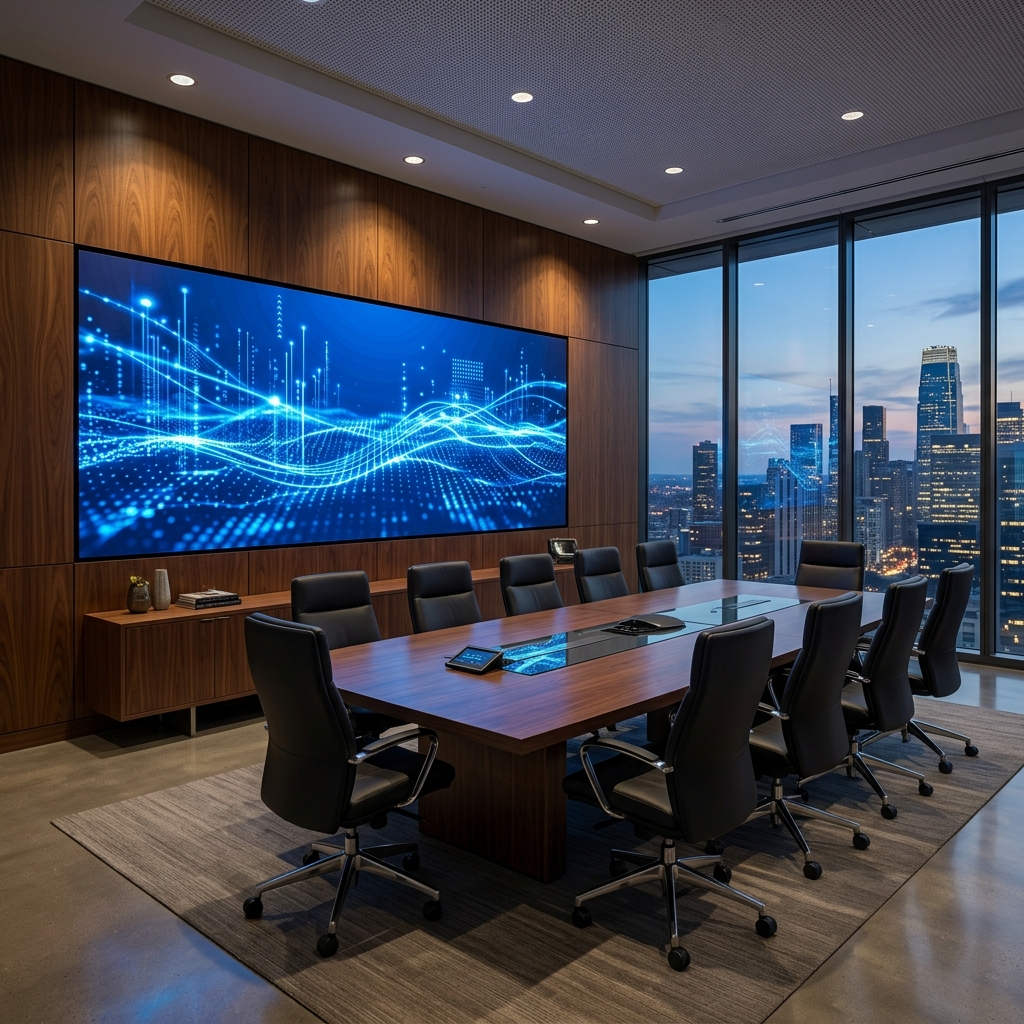
Control rooms are infrastructure. A few principles separate the ones that age well from the ones that don't.
Every control room we engineer starts with a question about the next five years, not the next twelve months. Operator counts grow, sources multiply, and the visual surface needs to absorb that without a rebuild.
Three architectural choices matter most: a source-agnostic input layer, N+1 redundancy at every signal stage, and a video processor capable of at least double today's source count.
Ergonomics matter as much as engineering. We model sightlines, glare and acoustic comfort for shift-long operation before we finalise the wall geometry.
Done right, a control room is a 10-year asset. Done quickly, it's a 24-month liability.